









Nvidia China AI Market is back in focus as CEO Jensen Huang says China remains critical to Nvidia’s $200 billion AI CPU opportunity. Discover how H200 chips, Taiwan’s supply chain, and rising AI demand are shaping Nvidia’s future.
Nvidia Says China Still Matters as Global AI Race Accelerates
Even as tensions between Washington and Beijing continue to reshape the global technology industry, Nvidia is making one thing clear: China remains too important to ignore.
Speaking in Taipei ahead of the upcoming Computex technology conference, Nvidia CEO Jensen Huang said the company’s projected $200 billion CPU market opportunity includes China — a strong signal that Nvidia still sees major long-term growth potential in the region despite tightening U.S. export restrictions.
The comments come at a pivotal moment for the AI industry, where demand for advanced computing infrastructure continues to surge worldwide.
Nvidia Expands Beyond GPUs Into the Next Phase of AI
For years, Nvidia has dominated the AI boom through its high-performance GPUs, which power everything from ChatGPT-style systems to large-scale cloud computing platforms.
But the company is now positioning itself for the next stage of artificial intelligence growth.
Businesses are increasingly investing in what the industry calls “Agentic AI” — systems capable of performing tasks, making decisions, and operating with minimal human supervision. That shift is driving demand not only for GPUs but also for powerful CPUs that can manage complex AI workflows.
AI Infrastructure Breakdown
| Technology | Primary Function |
| GPU | AI model training |
| CPU | AI processing and orchestration |
| Agentic AI | Autonomous AI systems |
Huang recently introduced Nvidia’s new “Vera” CPU platform, which he says opens the company to an entirely new market opportunity worth roughly $200 billion.
Why China Still Matters to Nvidia
Despite geopolitical pressure and trade restrictions, China remains one of the largest AI and cloud computing markets in the world.
Chinese tech firms continue investing heavily in:
- AI research
- Data centers
- Enterprise automation
- Cloud infrastructure
- Advanced semiconductor development
That demand is difficult for any global chipmaker to walk away from.
When asked directly whether China was included in Nvidia’s long-term CPU market estimate, Huang responded:
“I think so.”
The statement may appear simple, but it carries major implications for investors and the broader semiconductor industry.
It suggests Nvidia still expects China to remain a critical customer base for AI computing over the next decade.
H200 AI Chips Remain at the Center of U.S.-China Tech Tensions
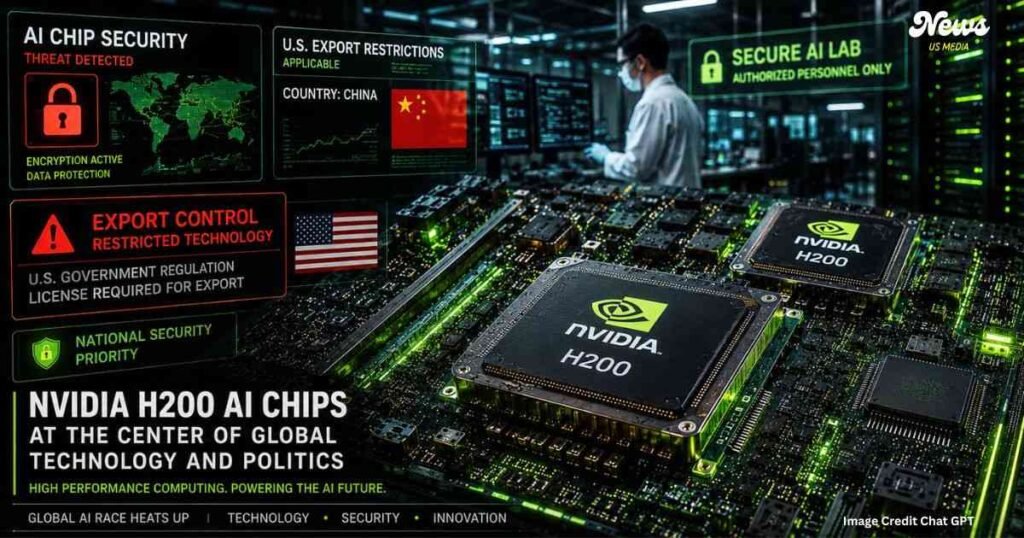
One of the biggest questions surrounding Nvidia involves its advanced H200 AI chips.
The H200 is among Nvidia’s most powerful AI processors and is designed for large-scale AI training and hyperscale data center operations.
While the U.S. government has granted limited export licenses for certain Chinese buyers, deliveries remain highly restricted.
H200 AI Chip Overview
| Feature | Details |
| Product | Nvidia H200 |
| Main Use | Large AI workloads |
| Market | Enterprise AI and cloud providers |
| Current Issue | U.S. export restrictions |
Recent reports suggest that several Chinese companies have received approval to purchase H200 chips, though no significant shipments have been completed so far.
The restrictions are part of broader U.S. efforts to limit China’s access to cutting-edge AI technology viewed as strategically sensitive.
Taiwan’s Supply Chain Is More Important Than Ever
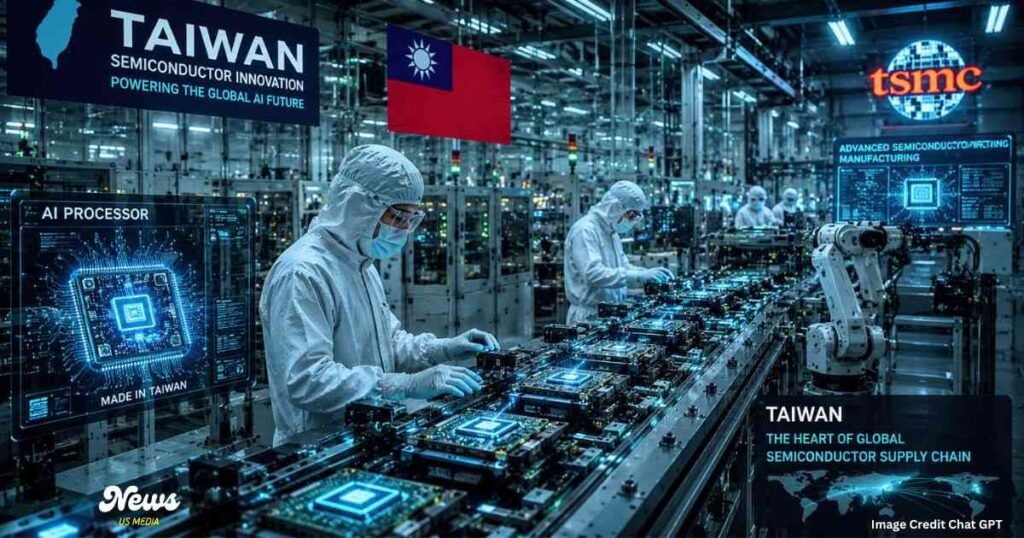
As Nvidia expands deeper into AI infrastructure, Taiwan remains central to the company’s operations.
Most of Nvidia’s advanced semiconductors are manufactured by TSMC, the world’s leading contract chipmaker.
Taiwan’s semiconductor ecosystem has become one of the most strategically important supply chains in the global economy.
Major Players in the AI Supply Chain
| Company | Role |
| Nvidia | AI chip design |
| TSMC | Semiconductor manufacturing |
| AMD | AI processor competition |
| Super Micro | AI server hardware |
Huang said Nvidia continues investing heavily in relationships with Taiwanese partners, even if those investments are not always publicly announced.
He also confirmed plans to meet with TSMC executives during his Taiwan visit.
Nvidia Pushes Forward With the Vera Rubin Platform
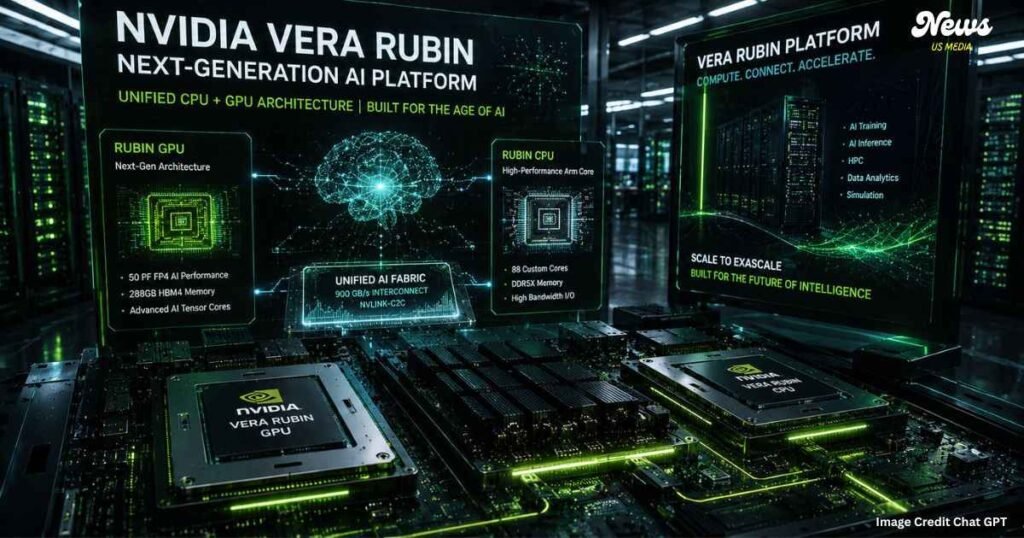
Another major focus for Nvidia is its upcoming “Vera Rubin” platform, which combines the company’s Vera CPU architecture with its Rubin GPU technology.
The platform is expected to deliver:
- Faster AI computing performance
- Improved energy efficiency
- Better scalability for hyperscale data centers
- Enhanced support for autonomous AI systems
Industry analysts believe integrated CPU-GPU systems could become the backbone of next-generation AI infrastructure.
Huang indicated that production activity tied to the Vera Rubin platform is already creating heavy demand across Taiwan’s manufacturing network.
AI Chip Smuggling Concerns Add New Pressure
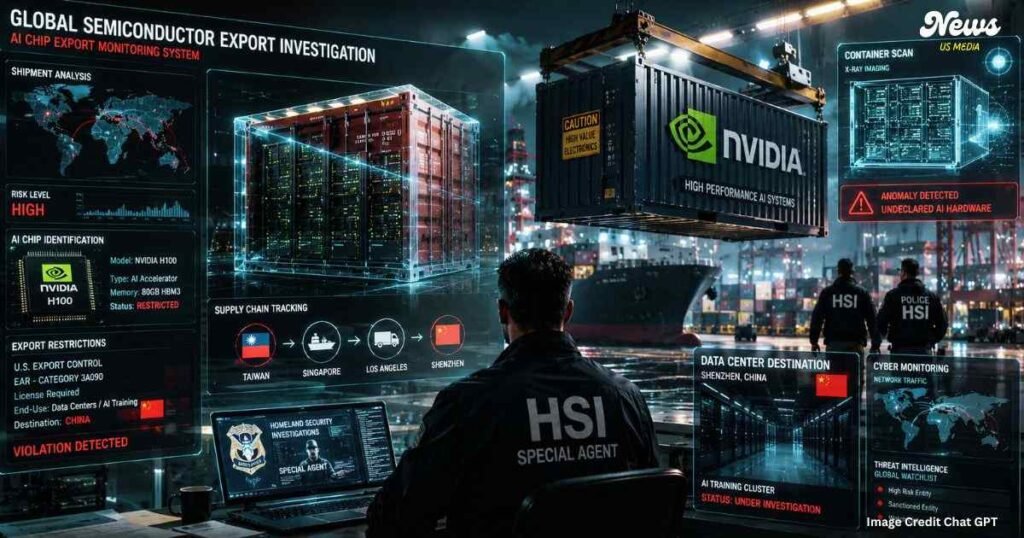
Nvidia is also facing growing scrutiny over the illegal movement of advanced AI hardware into China.
Taiwanese prosecutors recently announced investigations involving individuals suspected of illegally exporting AI servers containing Nvidia chips.
Some of those systems reportedly involved servers manufactured by Super Micro Computer.
The controversy follows ongoing U.S. efforts to tighten export controls on advanced AI technologies.
Huang said Nvidia remains “very strict” about ensuring partners understand and follow all international trade regulations.
Still, he emphasized that partner companies are ultimately responsible for maintaining compliance with export laws.
What This Means for Investors
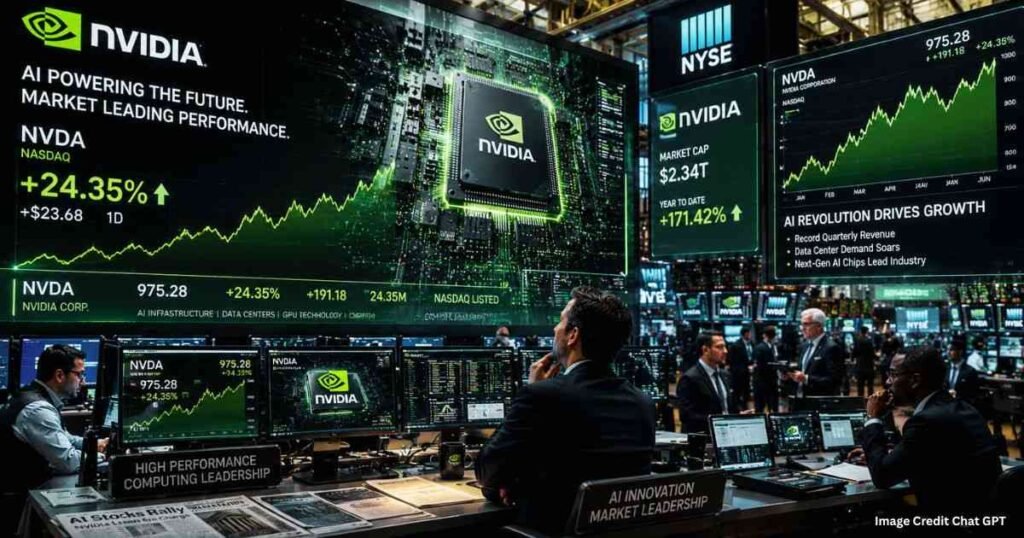
For Wall Street, Nvidia’s latest comments reinforce one key reality: the company is no longer just a graphics chip manufacturer.
Nvidia is rapidly evolving into a full-scale AI infrastructure giant with ambitions spanning:
- CPUs
- GPUs
- AI servers
- Cloud computing
- Autonomous AI systems
That broader strategy is one reason Nvidia continues to dominate investor attention during the global AI boom.
Why Investors Are Watching Nvidia Closely
- Strong AI demand worldwide
- Expanding product ecosystem
- Massive data center growth
- Long-term China market exposure
- Leadership in advanced AI hardware
At the same time, geopolitical uncertainty remains a major risk factor.
Any additional U.S.-China restrictions could impact future chip sales and global semiconductor supply chains.
The Bottom Line
Nvidia’s latest messaging makes one thing increasingly clear: China is still part of the company’s long-term AI strategy, even amid rising political and regulatory pressure.
As the global race for AI dominance accelerates, Nvidia appears determined to maintain its leadership position by expanding beyond GPUs and building the core infrastructure that could power the next generation of artificial intelligence.
For investors, the company’s future may depend not only on innovation but also on how successfully it navigates one of the most complex geopolitical technology battles in modern history.
News Source: hear

Vikrant Singh is the Founder and Lead Editor of News US Media, where he covers U.S. news, sports, world affairs, and trending stories. With a focus on accurate reporting and in-depth research, he delivers timely, reader-friendly coverage that helps audiences stay informed about the latest developments in the United States and around the world. Through News US Media, he is committed to providing trustworthy journalism built on accuracy, credibility, and transparency.