









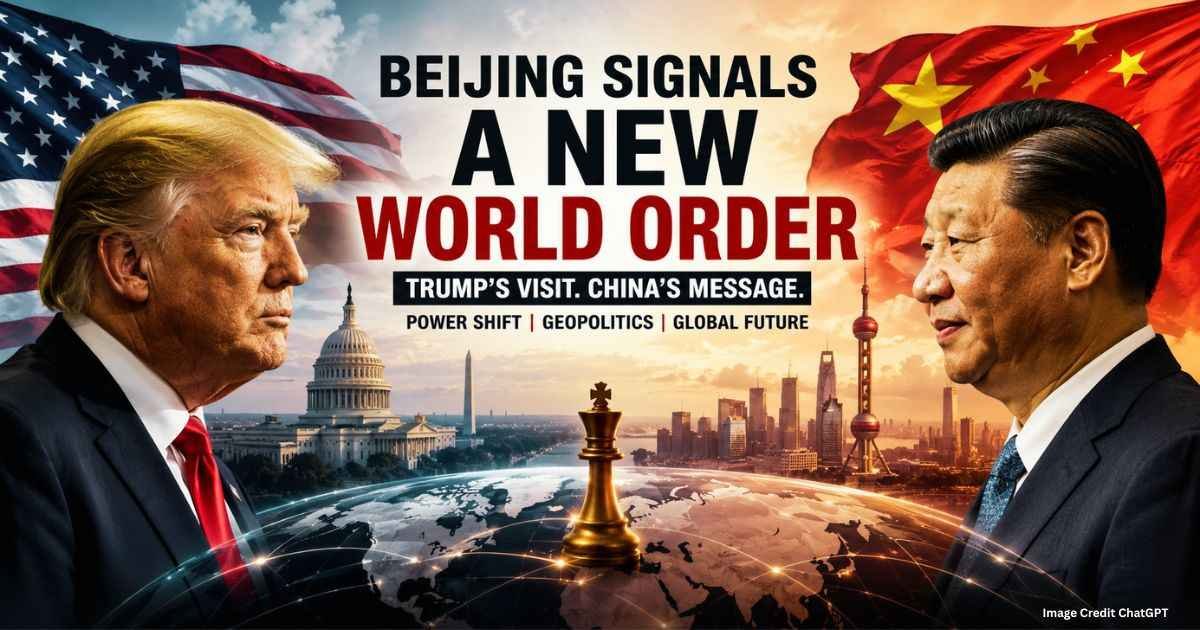
Trump China Visit highlights China’s growing global influence as Xi Jinping challenges US dominance during a historic Beijing summit. Explore the geopolitical power shift, Taiwan tensions, and future of US-China relations.
The summit between Donald Trump and Xi Jinping was expected to produce major agreements between the world’s two largest economies. Instead, the visit appeared to carry a deeper political message from Beijing: China believes its influence on the global stage is growing rapidly, and it is ready to challenge long-standing American dominance.
While a few economic announcements emerged from the talks, the broader significance of the meeting was geopolitical rather than commercial. The discussions highlighted rising tensions, shifting global alliances, and China’s confidence in its future role as a global superpower.
Limited Economic Results From the Summit
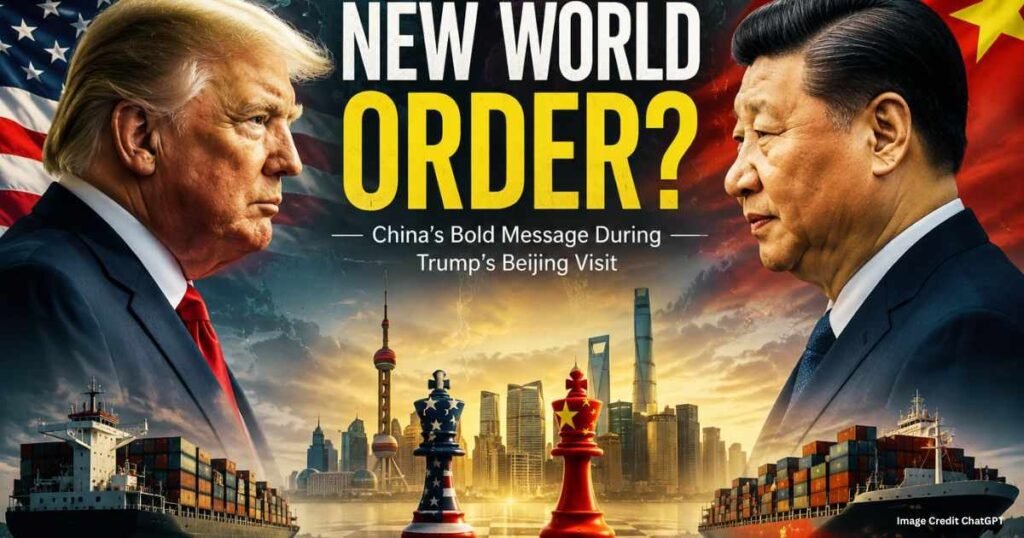
Many observers anticipated major trade breakthroughs during Trump’s visit to China. However, the actual outcomes were relatively modest.
China agreed to purchase around 200 Boeing aircraft, fewer than earlier expectations. Beijing also relaxed restrictions on imports from several American beef producers. These steps were viewed as symbolic attempts to improve trade relations after months of tariff disputes between the two countries.
The United States claimed progress in several areas, including:
- Increased Chinese purchases of American agricultural and energy products
- Cooperation on reducing fentanyl precursor exports
- Positive discussions surrounding trade stability
However, Chinese official statements were far more restrained. Beijing mainly described the talks as “balanced” and “constructive,” avoiding detailed references to specific commitments.
This contrast revealed that both nations wanted to present the meeting differently to domestic and international audiences.
Political Messaging Took Center Stage
Although economic deals were limited, the political statements made during the summit attracted global attention.
China used the meeting to send a clear signal about its growing confidence and long-term ambitions. Several comments from Xi Jinping stood out because they directly addressed the balance of global power between China and the United States.
Warning About the “Thucydides Trap”
One of the most important moments came when Xi warned against falling into the “Thucydides Trap.”
The concept describes a dangerous situation where an established global power feels threatened by a rising rival, potentially leading to conflict or war.
By referencing this idea, Xi effectively acknowledged that China now sees itself as a genuine challenger to American global leadership.
He also suggested that the United States should avoid trying to block China’s rise, warning that aggressive containment strategies could create serious global instability.
Taiwan Remains the Most Sensitive Issue
Xi Jinping also emphasized that Taiwan remains the most important issue in China-US relations.
According to Chinese leadership, reunification between Taiwan and mainland China is inevitable. Xi warned that mishandling the Taiwan issue could lead to direct clashes between the two nations.
Interestingly, the White House response avoided strong public statements regarding Taiwan during the visit.
Reports later indicated that Trump did not make firm commitments on defending Taiwan militarily. At the same time, the United States reportedly kept a major arms sale proposal available for Taiwan’s government.
This cautious diplomatic language suggested that both sides wanted to avoid escalating tensions publicly during the summit.
China’s Growing Confidence on the World Stage
The summit reflected more than temporary diplomatic negotiations. It highlighted China’s increasing belief that the global balance of power is changing.
For decades, the United States has remained the dominant global superpower following the end of World War II. However, China’s rapid economic growth, military modernization, and expanding international influence have created a new geopolitical reality.
Xi Jinping appeared determined to present China as:
- A stable global power
- A long-term economic leader
- A political alternative to Western dominance
- A central force in future global governance
Rather than focusing only on trade, China used the visit to communicate that it sees itself as an equal — or eventual successor — to American global leadership.
Trump’s Diplomatic Tone Surprised Observers
Trump has often taken an aggressive approach toward China, especially regarding trade disputes and tariffs. However, during this visit, his tone appeared noticeably softer.
At one point, Trump stated that relations between China and the United States could become “better than ever before.”
He also avoided making strong public commitments regarding military intervention over Taiwan, which surprised many analysts.
This more cautious approach may have reflected a desire to stabilize relations while managing several other global crises simultaneously.
A Summit That Focused More on Power Than Partnership
Ultimately, the summit produced few major policy breakthroughs. Instead, it became a symbolic event that showcased the evolving relationship between two global powers.
China’s leadership used the occasion to present a broader vision:
- A future where China plays a central global leadership role
- A transition toward a more multipolar world order
- A warning against direct confrontation between rising and established powers
Whether China eventually replaces the United States as the world’s dominant power remains uncertain. However, the summit demonstrated that Beijing is increasingly willing to speak openly about its ambitions.
Final Thoughts
The Trump-Xi meeting was not simply about trade negotiations or diplomatic cooperation. It reflected a deeper struggle over the future direction of global politics.
China’s message was clear: it believes the international system is entering a new era, and Beijing intends to shape that future aggressively but strategically.
For the rest of the world, the key question is no longer whether China’s influence is growing. The real question is how the global order will adapt as competition between Washington and Beijing continues to intensify.
Short FAQs
1. Why did Trump visit China?
Trump visited China to discuss trade, diplomacy, and global political issues with Xi Jinping.
2. What was the biggest topic during the summit?
The biggest topics were global power competition, trade relations, and Taiwan tensions.
3. What is the Thucydides Trap?
It is the idea that conflict can happen when a rising power challenges an existing global power.
4. Why is Taiwan important in US-China relations?
Taiwan remains the most sensitive political and military issue between China and the United States.
5. Did the summit improve US-China relations?
The summit slightly improved diplomatic communication, but major tensions still remain.
6. Is China becoming a global superpower?
China is rapidly increasing its global influence through economics, technology, and diplomacy.

Vikrant Singh is the Founder and Lead Editor of News US Media, where he covers U.S. news, sports, world affairs, and trending stories. With a focus on accurate reporting and in-depth research, he delivers timely, reader-friendly coverage that helps audiences stay informed about the latest developments in the United States and around the world. Through News US Media, he is committed to providing trustworthy journalism built on accuracy, credibility, and transparency.