









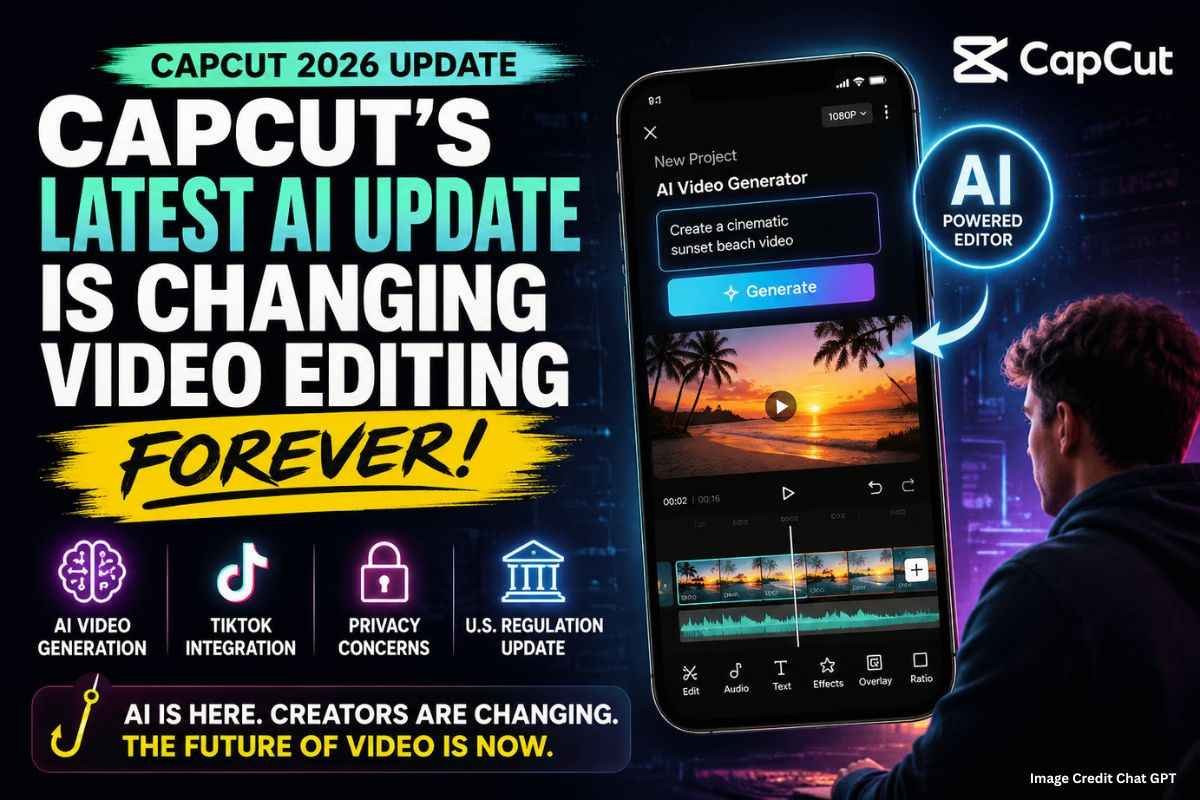
CapCut’s latest AI update is transforming video editing in 2026 with powerful AI video generation tools, TikTok integration, and growing privacy concerns in the U.S.
Why CapCut Is Suddenly Everywhere Again
CapCut has become one of the biggest names in video editing over the past few years, especially among TikTok creators, YouTubers, Instagram Reel makers, and small businesses. But in 2026, the app is making headlines for much bigger reasons than simple editing tools.
From powerful AI video generation features to growing privacy concerns and ongoing U.S. government scrutiny, CapCut is now at the center of one of the biggest conversations in the creator economy.
The latest updates from ByteDance, the parent company behind both CapCut and TikTok, show that artificial intelligence is rapidly changing how online content is created. At the same time, lawmakers in the United States are keeping a close eye on apps connected to Chinese tech companies.
So what’s really happening with CapCut in 2026, and why are creators paying so much attention?
Let’s break it down.
CapCut’s Latest AI Update: New AI Video Generator Is the Biggest Feature Yet
The biggest recent CapCut news is the launch of advanced AI-powered video generation tools. ByteDance has started integrating its new AI model, called Seedance 2.0, directly into CapCut.
This new system allows users to generate complete videos using simple text prompts.
For example, a creator can type something like:
“Create a cinematic beach sunset travel video with dramatic music.”
The AI can automatically generate scenes, transitions, effects, captions, and even music recommendations within seconds.
This is a major shift for content creation because users no longer need advanced editing skills to produce professional-looking videos.
Creators who previously spent hours editing clips can now create polished content much faster.
Many tech experts believe AI video tools like this could completely transform social media content creation over the next few years.
Why TikTok and CapCut Work So Well Together
One of the main reasons CapCut became so successful is its deep connection with TikTok.
Since both platforms are owned by ByteDance, CapCut templates and TikTok trends are heavily linked. Viral editing styles often begin on TikTok and quickly spread through CapCut templates.
In 2026, that connection is becoming even stronger.
Recent reports suggest that ByteDance is expanding AI-powered advertising tools across both platforms. This allows brands and influencers to quickly create high-quality marketing videos without needing large production teams.
For businesses, this means cheaper and faster advertising.
For creators, it means viral content can be produced in minutes instead of hours.
This is one reason why CapCut continues to dominate the short-form video editing space.
Privacy Concerns Around CapCut Continue to Grow

While CapCut’s AI features are exciting for creators, privacy concerns are becoming a major issue.
Over the past year, critics and cybersecurity experts have raised questions about how user data and uploaded videos are handled.
Some users became concerned after the updated terms of service appeared to grant broad permissions regarding uploaded content.
Although most social media apps collect user data in some form, CapCut’s connection to ByteDance has increased public attention in the United States.
Some lawmakers worry that apps tied to Chinese companies could potentially create national security risks.
As a result, CapCut is now being discussed alongside TikTok in broader conversations about digital privacy and data security.
For creators, this has sparked debates about whether convenience and AI automation are worth potential privacy trade-offs.
Is CapCut Facing Problems in the United States?
The future of CapCut in the U.S. remains uncertain.
American lawmakers have continued discussing possible restrictions on ByteDance-owned apps. Although TikTok receives most of the attention, CapCut is increasingly being mentioned in the same conversations.
There are reports suggesting ByteDance could eventually create separate versions of its apps for U.S. users in order to address security concerns.
However, no official long-term decision has been finalized yet.
For now, CapCut remains widely available and extremely popular among American creators.
Still, the uncertainty surrounding future regulations has many users paying closer attention to what happens next.
Why Creators Still Love CapCut
Despite the controversy, CapCut continues to grow because it offers features that many competing apps charge money for.
Some of the most popular CapCut tools include:
- AI auto captions
- One-click transitions
- Background removal
- Beat-sync editing
- AI voice generation
- Trending templates
- Social media export optimization
- Cinematic effects
The app is especially popular among beginner creators because the interface is simple and easy to learn.
Many users who find professional editing software too complicated prefer CapCut because it allows them to create visually impressive content quickly.
For TikTok creators, Instagram influencers, YouTubers, and small business owners, CapCut has become one of the most important tools in modern content creation.
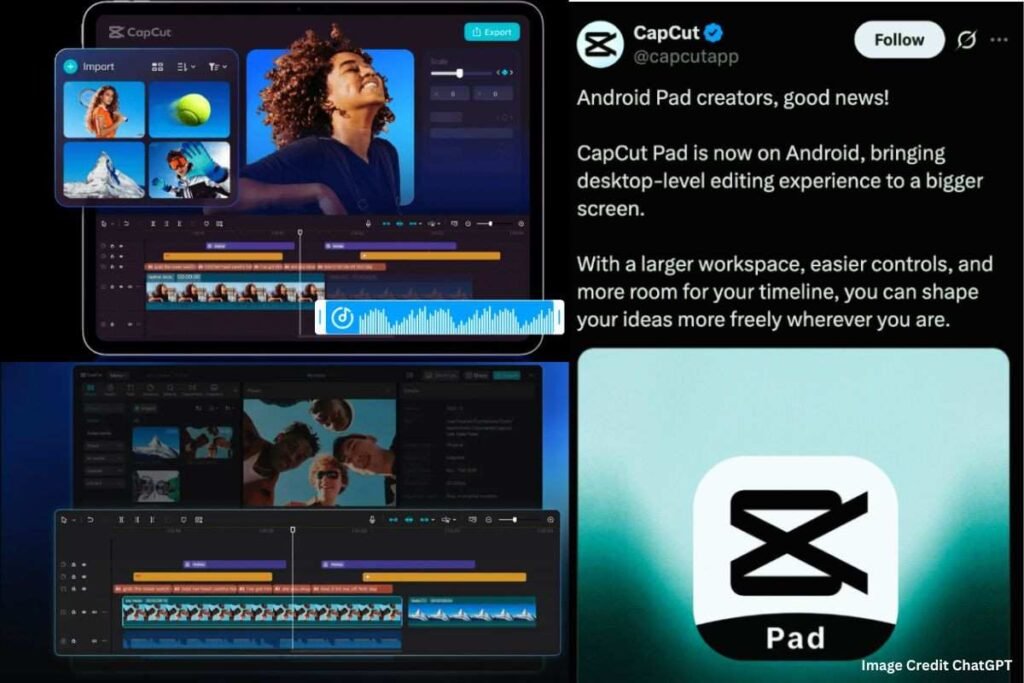
AI Video Editing Is Becoming a Huge Industry
CapCut is not the only company investing heavily in AI editing technology.
Major platforms like Adobe, Canva, and Meta are also racing to build advanced AI-powered video tools.
This growing competition shows how important AI-generated content is becoming in the creator economy.
Experts believe the future of editing may involve less manual work and more AI automation.
In the near future, creators may simply describe the type of content they want, and AI systems could automatically generate full videos, voiceovers, subtitles, transitions, and visual effects.
This could completely reshape industries such as:
- Social media marketing
- YouTube production
- Online education
- Digital advertising
- Entertainment content
CapCut is currently one of the leading platforms pushing this technology forward.
Some Creators Are Worried About AI Replacing Creativity
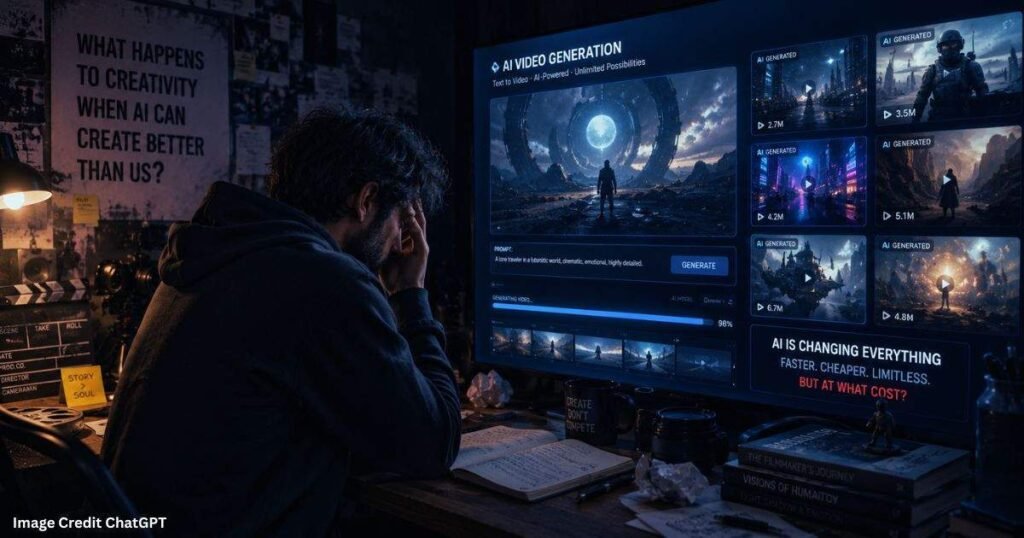
Not everyone is excited about AI video generation.
Some filmmakers, editors, and artists worry that AI could reduce originality and creativity in content creation.
Others are concerned about copyright issues.
Questions are being raised about whether AI systems are trained using copyrighted videos, images, music, or creative assets without proper permission.
Hollywood groups and creative professionals have already started discussing how AI-generated content should be regulated.
Even though AI tools make content creation faster, many creators still believe human storytelling and originality remain extremely important.
This debate will likely continue growing as AI technology becomes more advanced.
What Could CapCut Look Like in the Future?
The future of CapCut may be even more AI-focused than it is today.
Industry analysts predict that future updates could include:
- Full AI-generated short films
- AI script writing
- Real-time automatic editing
- AI voice cloning
- Virtual AI influencers
- Automated brand advertisements
- Advanced storytelling tools
If these features continue improving, video production could become dramatically easier for everyday users.
At the same time, governments around the world may introduce stricter rules related to AI, privacy, and digital ownership.
That means CapCut’s future will depend not only on innovation but also on regulation.
Final Thoughts
CapCut is no longer just a simple mobile editing app.
In 2026, it became one of the most influential platforms in the AI content creation industry.
Its latest AI tools are making video production faster, easier, and more accessible than ever before. But at the same time, growing concerns about privacy, security, and regulation continue to follow the platform.
For creators, marketers, and businesses, CapCut remains one of the most powerful tools available today.
The real question now is how far AI video generation will go — and whether platforms like CapCut will shape the future of digital content forever.
News Idea Source: Read More

Vikrant Singh is the Founder and Lead Editor of News US Media, where he covers U.S. news, sports, world affairs, and trending stories. With a focus on accurate reporting and in-depth research, he delivers timely, reader-friendly coverage that helps audiences stay informed about the latest developments in the United States and around the world. Through News US Media, he is committed to providing trustworthy journalism built on accuracy, credibility, and transparency.