









Stay updated with the latest Texas storm warning news, severe weather alerts, flood risks, and safety preparation tips for families across Texas in 2026.
Severe weather season has once again placed millions of Texans under a Texas storm warning, with meteorologists predicting heavy rain, damaging winds, hailstorms, and possible tornado activity across several parts of the state.
From Houston to Dallas and Central Texas communities, residents are preparing for unpredictable weather conditions that could lead to flooding, power outages, and dangerous road situations.
Weather experts are advising families to stay alert, monitor local updates, and prepare emergency supplies as storm systems continue moving across the southern United States.
Why Texas Storms Are Becoming More Intense
Texas is no stranger to extreme weather. However, in recent years, storms have become stronger and more frequent due to changing climate patterns and warmer Gulf moisture feeding into storm systems.
Meteorologists say the combination of:
- Warm temperatures
- High humidity
- Strong wind patterns
creates the perfect environment for severe thunderstorms and tornado development.
Common Weather Threats During a Texas Storm Warning
| Weather Threat | Possible Impact |
| Flash Flooding | Road closures and water damage |
| Tornadoes | Structural destruction and injuries |
| Large Hail | Vehicle and roof damage |
| Strong Winds | Fallen trees and power outages |
| Lightning | Fire risks and electrical hazards |
Areas Most Affected by the Current Texas Storm Warning
Several regions are expected to experience severe conditions over the next 24 to 48 hours.
High-Risk Areas Include:
- Houston
- Dallas-Fort Worth
- Austin
- San Antonio
- East Texas communities
- Gulf Coast regions
Local authorities are closely monitoring flood-prone neighborhoods and low-lying roads where water accumulation can become dangerous within minutes.
What Residents Should Do During a Storm Warning
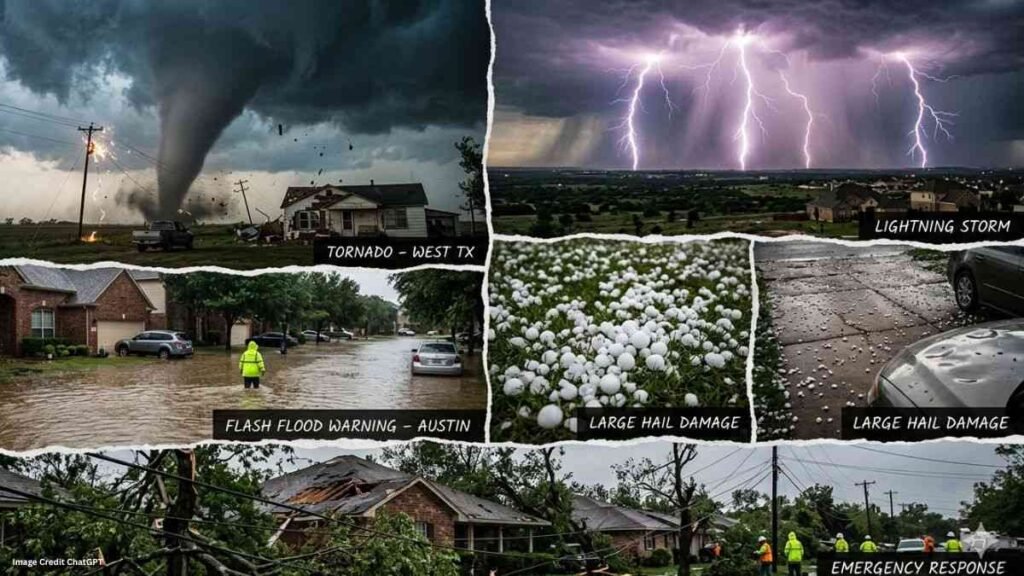
Safety officials are urging Texans not to ignore weather alerts. Even a short period of severe weather can quickly turn life-threatening.
Essential Storm Safety Checklist
| Preparation Item | Why It Matters |
| Flashlights | Useful during power outages |
| Bottled Water | Clean drinking supply |
| Emergency Food | Important if stores close |
| Phone Chargers | Communication during emergencies |
| First Aid Kit | Immediate medical assistance |
| Battery Radio | Weather updates without internet |
Driving During Severe Storms Can Be Dangerous
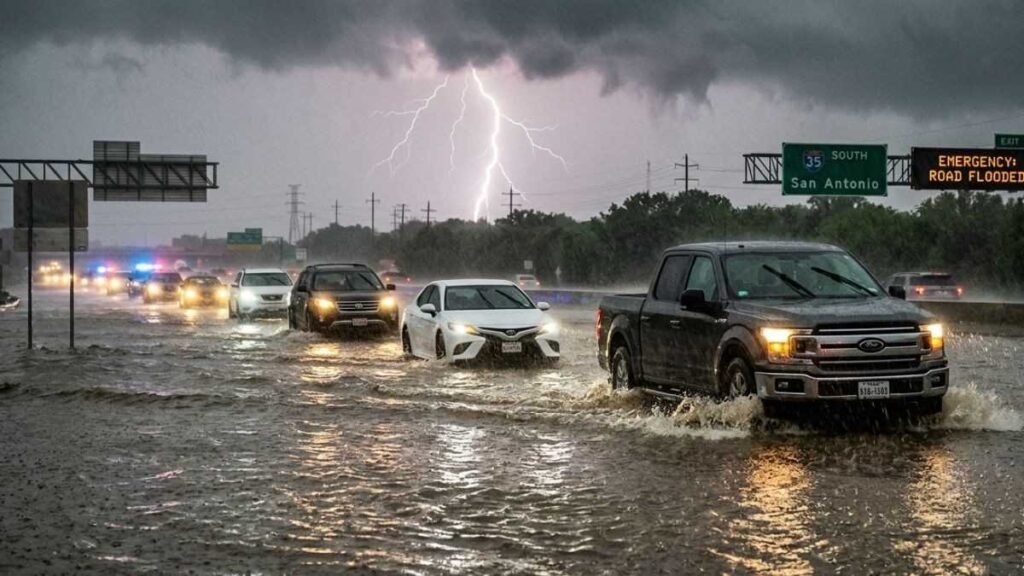
One of the biggest risks during Texas storms is flash flooding on highways and city streets.
The National Weather Service often reminds drivers:
Even shallow floodwaters can sweep vehicles away. Visibility during heavy rain can also become extremely poor, increasing accident risks.
Storm Driving Tips
- Avoid flooded roads
- Reduce driving speed
- Keep headlights on
- Maintain extra distance between vehicles
- Never drive through standing water
Power Outages and Emergency Response
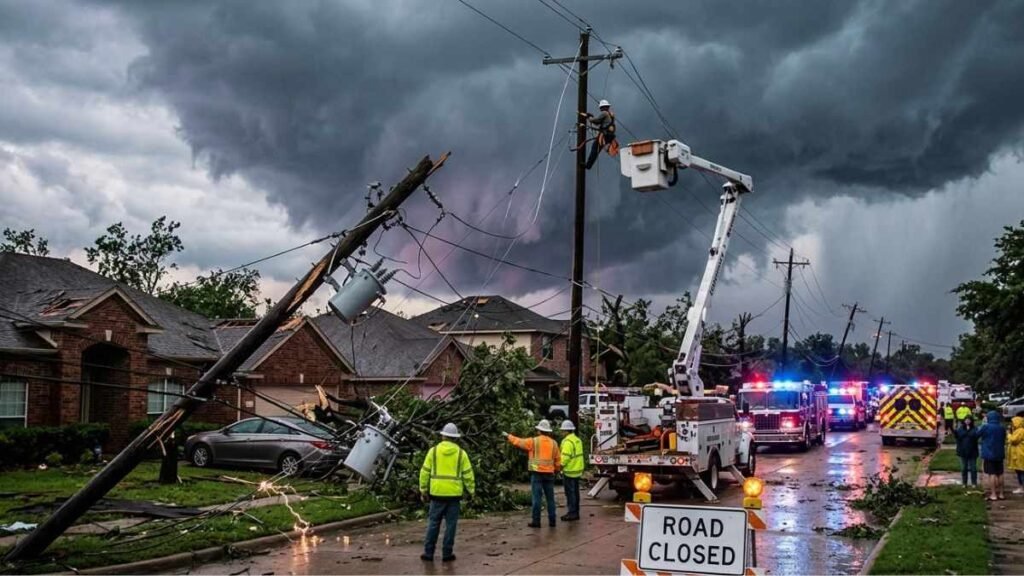
Strong winds and lightning strikes often damage electrical infrastructure across Texas during major storms.
Utility companies usually prepare additional repair crews ahead of severe weather events, but restoration may still take hours or even days in heavily impacted areas.
Residents should:
- Charge phones in advance
- Keep backup batteries ready
- Avoid using candles indoors
- Unplug sensitive electronics during lightning activity
How Families Can Prepare Their Homes
Storm preparation should begin before weather conditions worsen.
Home Preparation Tips
- Secure outdoor furniture
- Clean gutters and drains
- Trim weak tree branches
- Store important documents safely
- Check home insurance coverage
- Prepare a family emergency plan
Families with children, elderly relatives, or pets should make additional safety arrangements early.
Texas Emergency Alert Systems Explained
Many residents receive alerts directly through:
- Wireless Emergency Alerts (WEA)
- Local TV weather broadcasts
- Weather apps
- NOAA weather radios
- County emergency management systems
Keeping notifications turned on can provide valuable extra minutes to seek shelter before severe weather arrives.
Economic Impact of Severe Storms in Texas
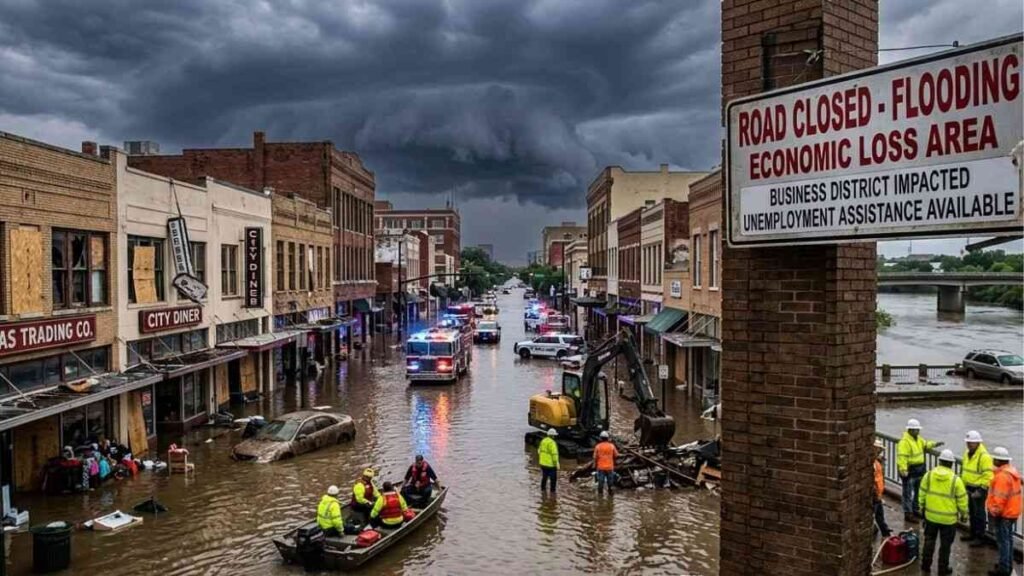
Beyond immediate danger, storms can also create long-term financial challenges.
Common Economic Effects
| Sector | Possible Impact |
| Transportation | Flight delays and road closures |
| Agriculture | Crop damage |
| Retail | Business interruptions |
| Insurance | Increased claims |
| Energy | Power grid pressure |
Texas has experienced billions of dollars in storm-related damages over the past decade, making preparedness more important than ever.
Community Support During Emergencies
During severe weather, local communities often come together to support affected families.
Churches, volunteer groups, shelters, and nonprofit organizations frequently help provide:
- Food assistance
- Temporary shelter
- Medical support
- Emergency supplies
Checking on neighbors, especially seniors and vulnerable individuals, can make a major difference during emergencies.
Final Thoughts
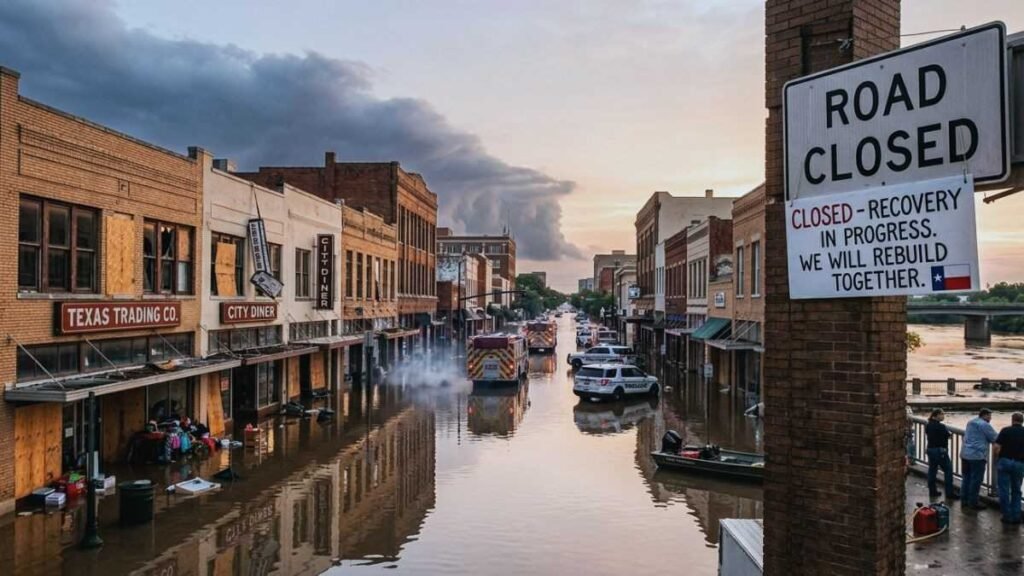
The current Texas storm warning serves as an important reminder that severe weather can develop rapidly and affect millions of people within hours.
Staying informed, preparing early, and following official safety instructions are the best ways to protect your family and property during dangerous storms.
As weather conditions continue evolving across Texas, residents should remain cautious, avoid unnecessary travel, and monitor trusted local forecasts for real-time updates.
FAQs About Texas Storm Warning
What does a Texas storm warning mean?
A storm warning means severe weather is already occurring or expected soon in your area.
Which parts of Texas are most at risk?
Houston, Dallas, Gulf Coast areas, and Central Texas regions often face high storm risks.
How can I stay updated during storms?
Use weather apps, NOAA radios, local TV stations, and emergency alerts on your smartphone.
What should be included in a storm emergency kit?
Water, food, flashlights, batteries, medications, first aid supplies, and phone chargers.

Vikrant Singh is the Founder and Lead Editor of News US Media, where he covers U.S. news, sports, world affairs, and trending stories. With a focus on accurate reporting and in-depth research, he delivers timely, reader-friendly coverage that helps audiences stay informed about the latest developments in the United States and around the world. Through News US Media, he is committed to providing trustworthy journalism built on accuracy, credibility, and transparency.