









Meta Description:
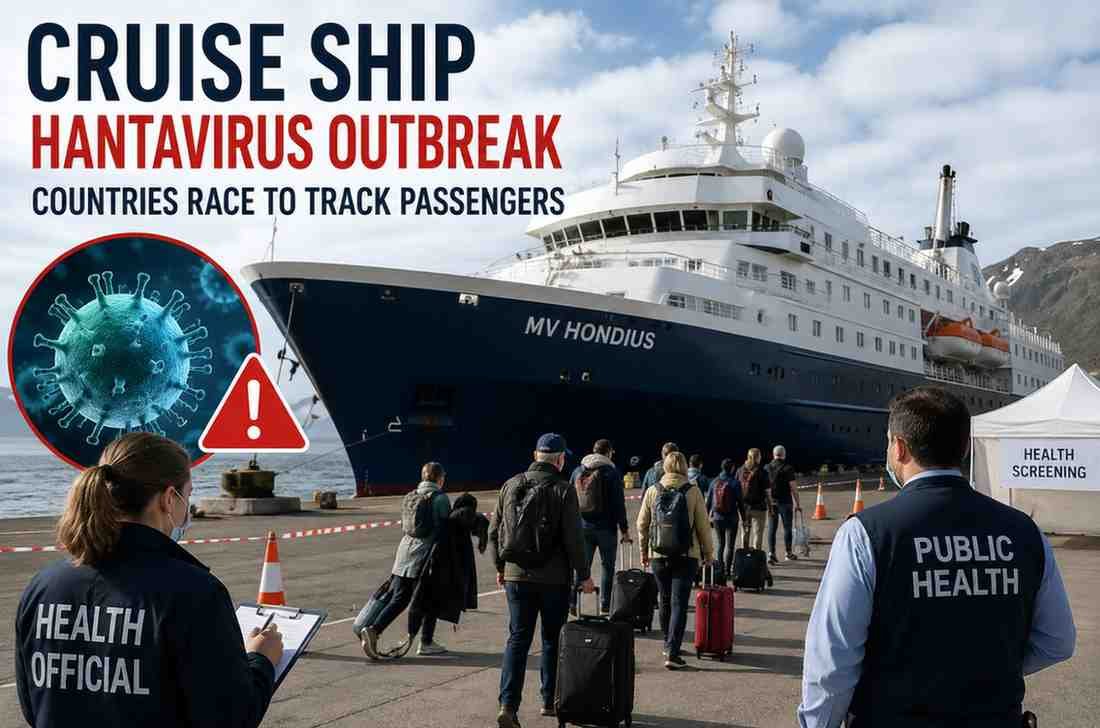
The cruise ship hantavirus outbreak 2026 has triggered global health alerts as countries race to trace MV Hondius passengers after three deaths and multiple infections.
When news broke about a rare virus outbreak aboard the cruise ship MV Hondius, health officials across several countries immediately began tracking passengers who had already left the vessel. The outbreak has sparked international concern after three people died and several others became seriously ill.
The cruise ship, which was traveling near Cape Verde, became the center of attention after passengers started showing symptoms linked to hantavirus, specifically the Andean strain — a rare form that can spread between humans through close contact.
Authorities are now racing to identify and monitor travelers who may have been exposed before the outbreak was officially reported.
Three Deaths Confirmed on Cruise Ship
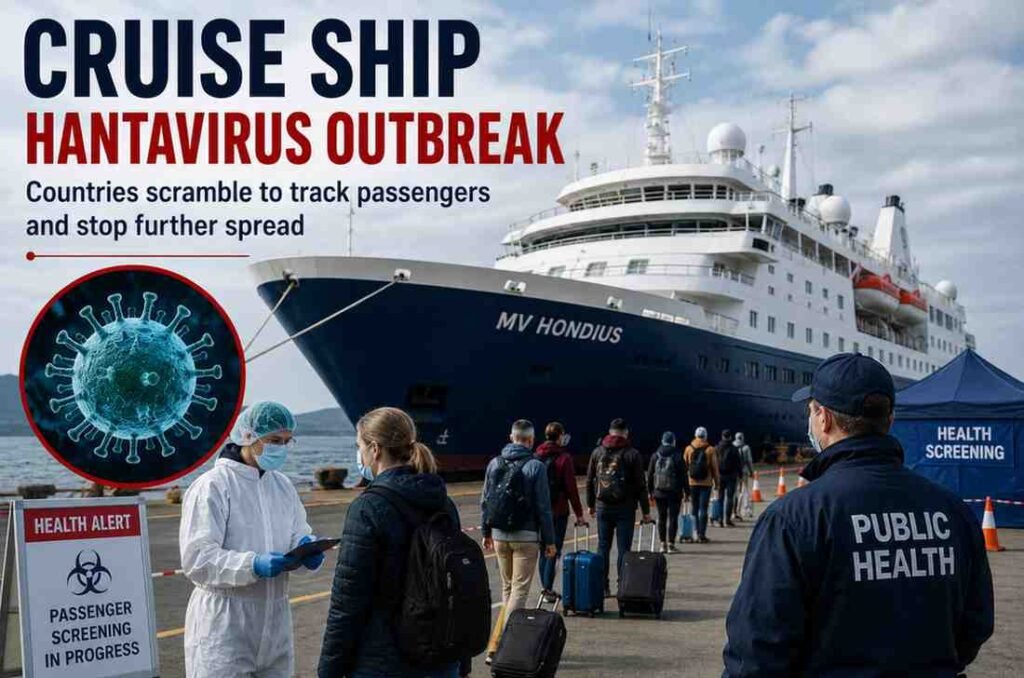
According to health officials, the outbreak has already claimed the lives of a Dutch couple and a German passenger. The World Health Organization (WHO) also said that at least eight other people are suspected of having contracted the virus.
The situation became more complicated after around 40 passengers reportedly left the ship during a stop in Saint Helena before anyone realized how serious the outbreak was.
Many of those passengers have since traveled to different countries, making it difficult for authorities to locate and contact everyone quickly.
One of the most heartbreaking cases involved the wife of a Dutch passenger who died on the ship in April. After leaving the vessel, she became ill herself and later died before reaching the Netherlands.
Dutch airline KLM confirmed that the woman had been removed from a flight in Johannesburg because her condition suddenly worsened.
What Is the Andean Hantavirus?
Hantavirus infections are usually linked to rodents, especially through exposure to rodent droppings or urine. However, the Andean strain is different because it can spread from person to person in rare situations involving very close contact.
Medical experts have stressed that human transmission is still extremely uncommon. Even so, the outbreak has put global health agencies on alert because cruise ships can increase the risk of infectious diseases spreading quickly among passengers.
The U.S. Centers for Disease Control and Prevention (CDC) said it is closely monitoring the situation, especially involving American travelers who were on board. Officials added that the overall risk to the public remains very low.
Countries Increase Monitoring Efforts
Several countries are now taking precautionary measures as investigations continue.
France confirmed that one of its citizens had contact with an infected passenger, although no symptoms have appeared so far. Meanwhile, Argentina’s health ministry announced plans to carry out rodent testing in Ushuaia, the southern city where the cruise originally began.
Health experts hope the investigation will help determine how the virus may have entered the ship in the first place.
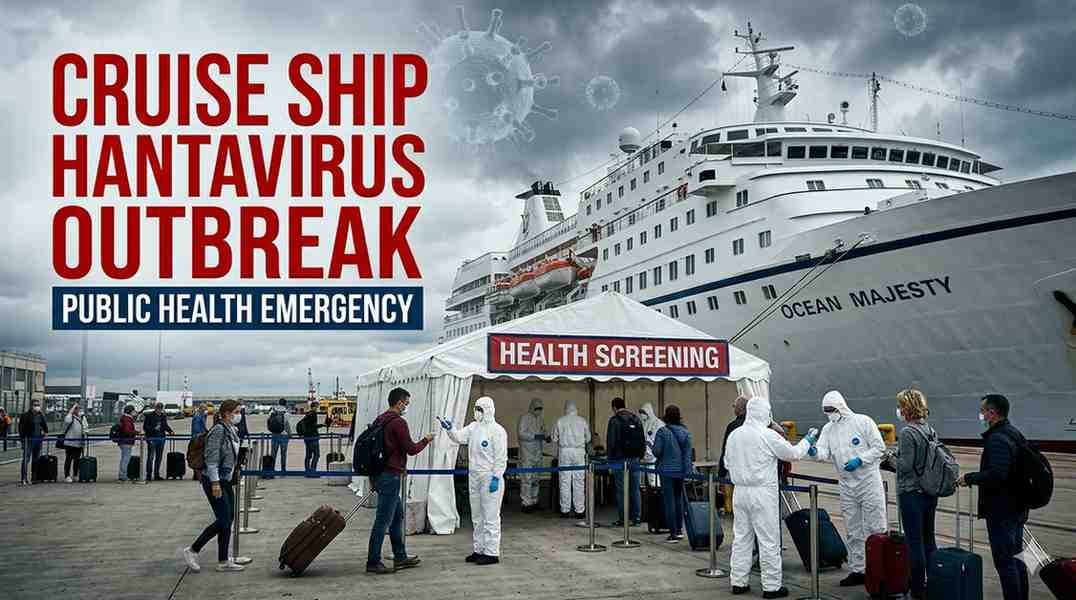
The MV Hondius is currently expected to dock in Tenerife, Spain. Authorities there are preparing strict safety procedures for passengers and crew members.
Officials said non-Spanish travelers who are healthy will be sent back to their home countries, while Spanish passengers will be quarantined in a military hospital in Madrid.
Medical Evacuations Continue
Three sick passengers were evacuated from the ship for urgent medical treatment. One patient was transferred to a hospital in the Netherlands, while another was taken to Germany.
A third patient experienced delays during transport after a technical issue affected the aircraft’s life-support system.
Despite the growing concern, health experts continue to remind the public that the virus does not spread easily. Still, governments are taking no chances as they work together to prevent additional infections.
The outbreak aboard the MV Hondius shows how quickly health emergencies can become international challenges, especially when travelers move between countries before symptoms appear.

Vikrant Singh is the Founder and Lead Editor of News US Media, where he covers U.S. news, sports, world affairs, and trending stories. With a focus on accurate reporting and in-depth research, he delivers timely, reader-friendly coverage that helps audiences stay informed about the latest developments in the United States and around the world. Through News US Media, he is committed to providing trustworthy journalism built on accuracy, credibility, and transparency.